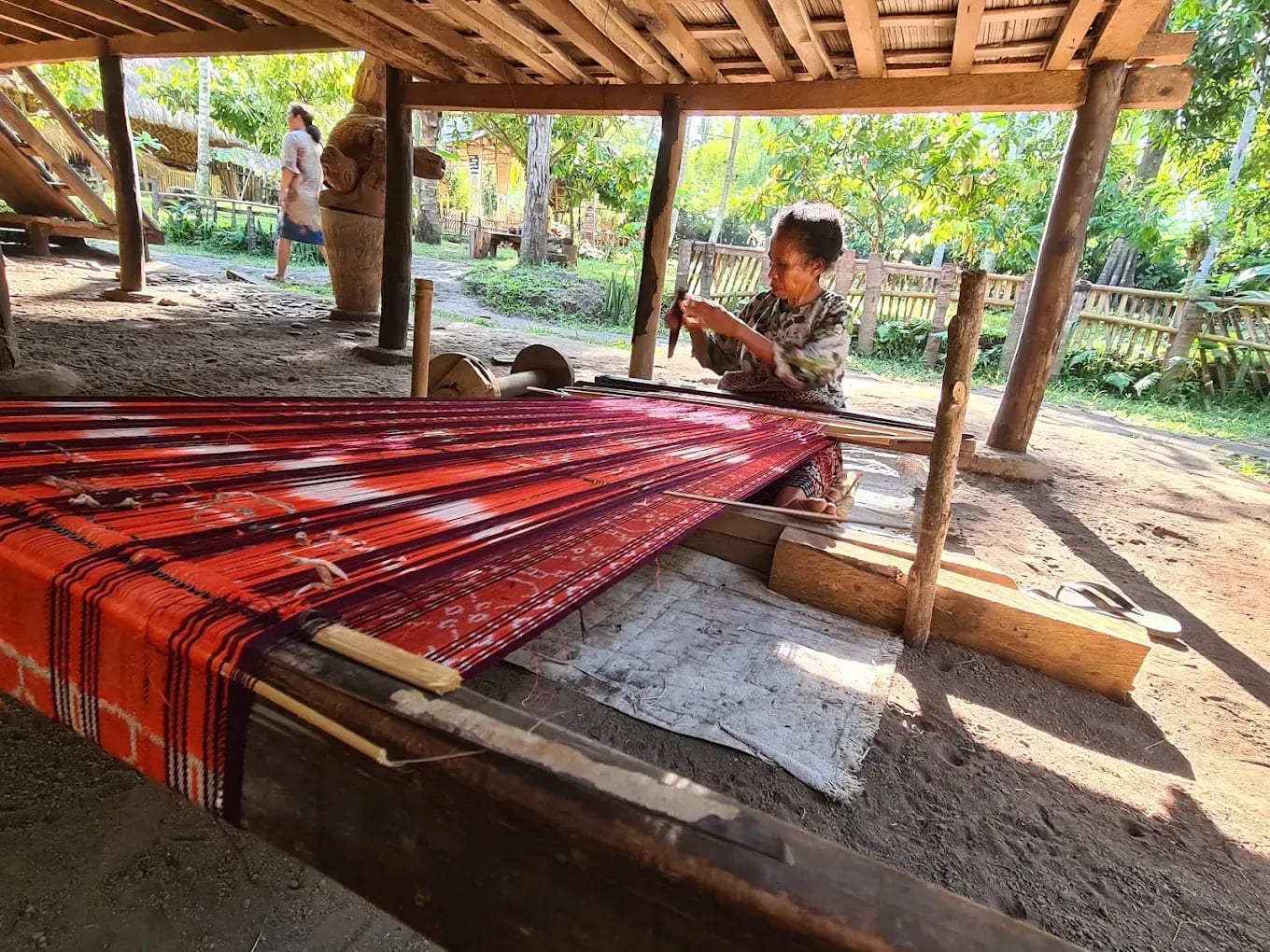
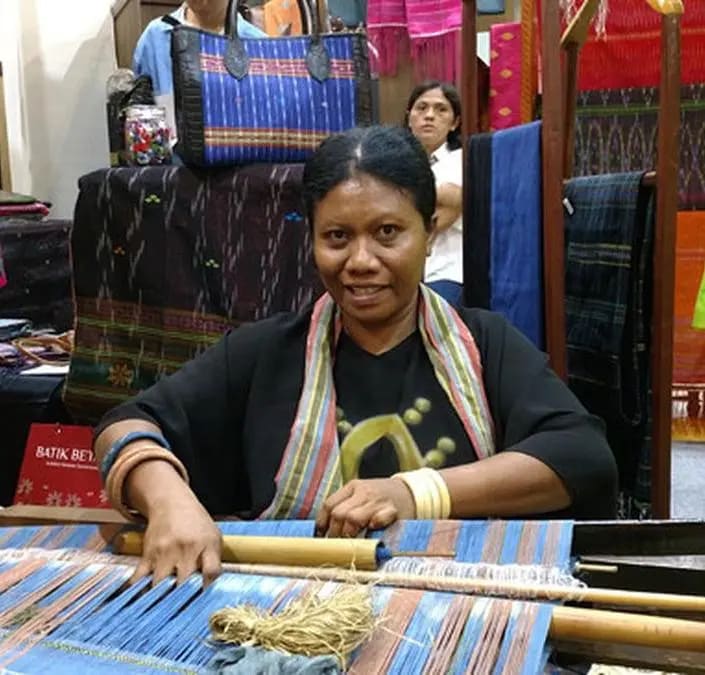
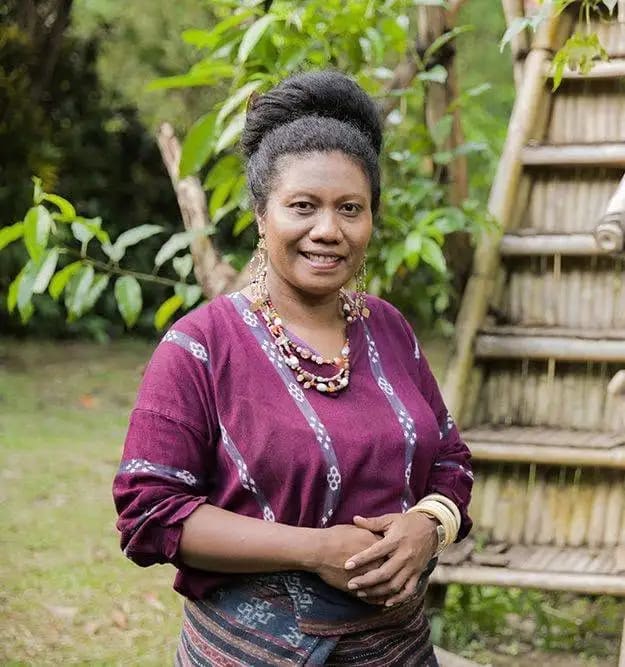
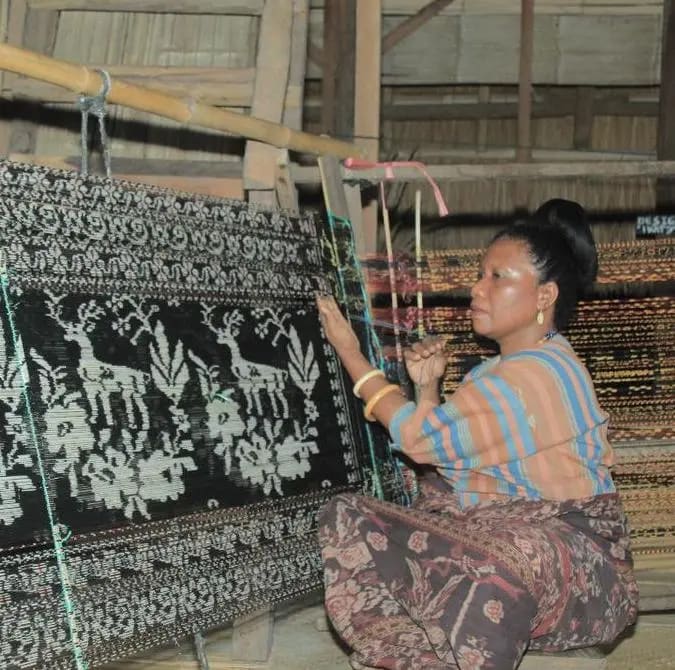
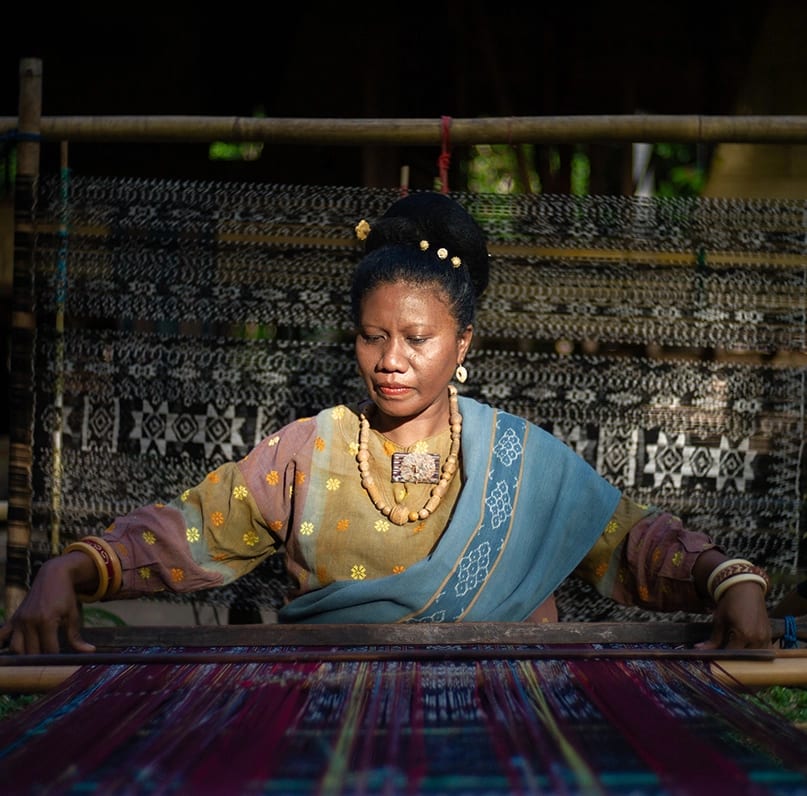
Born and raised in Nita, a small village west of Maumere, Alfonsa Ragha Horeng grew up surrounded by the rhythms of weaving. In Sikka culture, weaving is far more than craftsmanship—it is a language of identity, a record of ancestry, and a sacred thread connecting generations. From an early age, she witnessed how every motif carried stories, values, and memories of the Flores people.
After pursuing studies in Agricultural Technology in Surabaya, Alfonsa experienced life beyond her homeland. Yet it was away from Flores that she began to recognize the fragility of the traditions she had always known. Many young women were leaving weaving behind, natural dyes were being replaced by synthetic alternatives, and centuries of knowledge risked disappearing within a single generation.
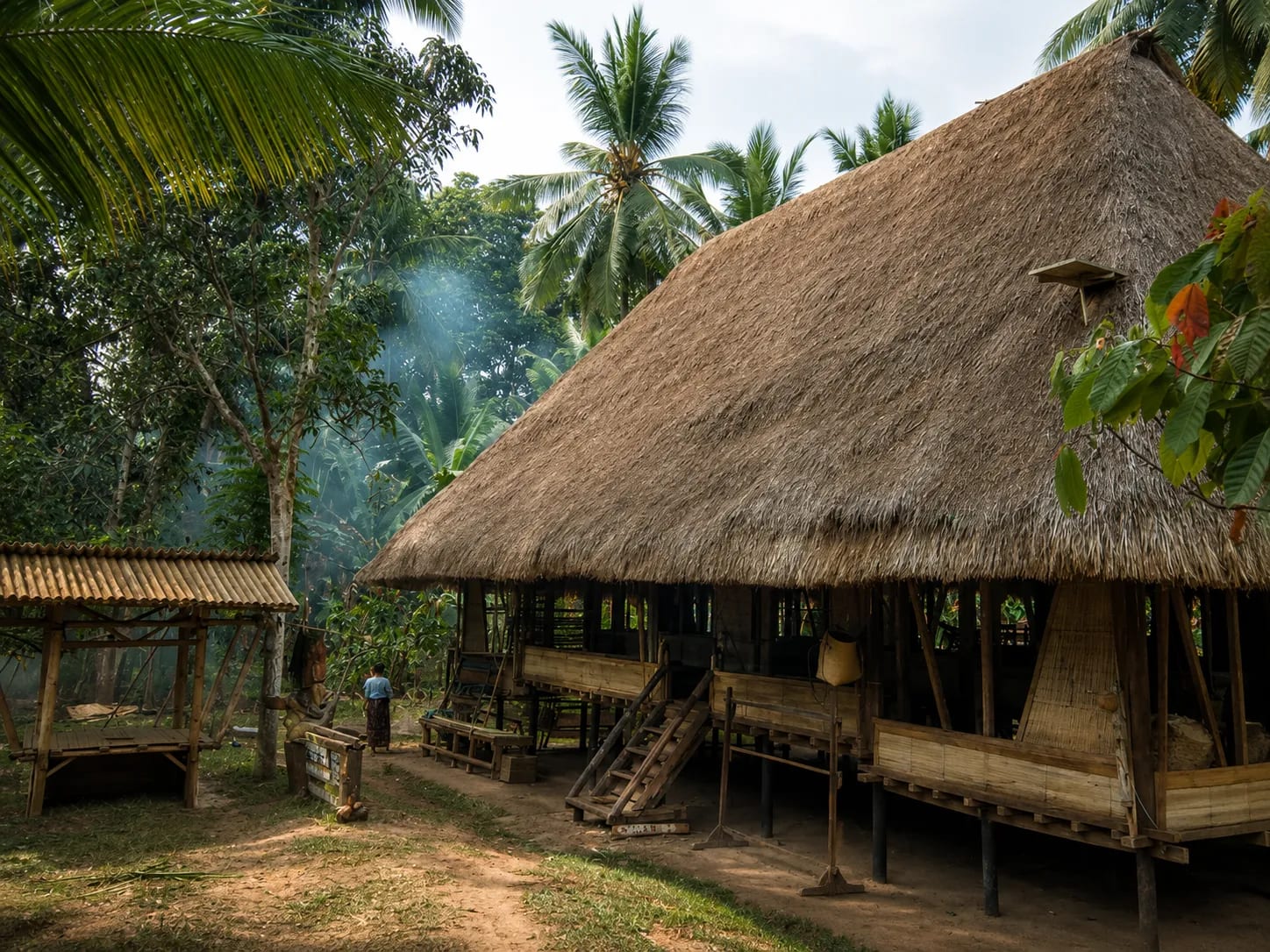
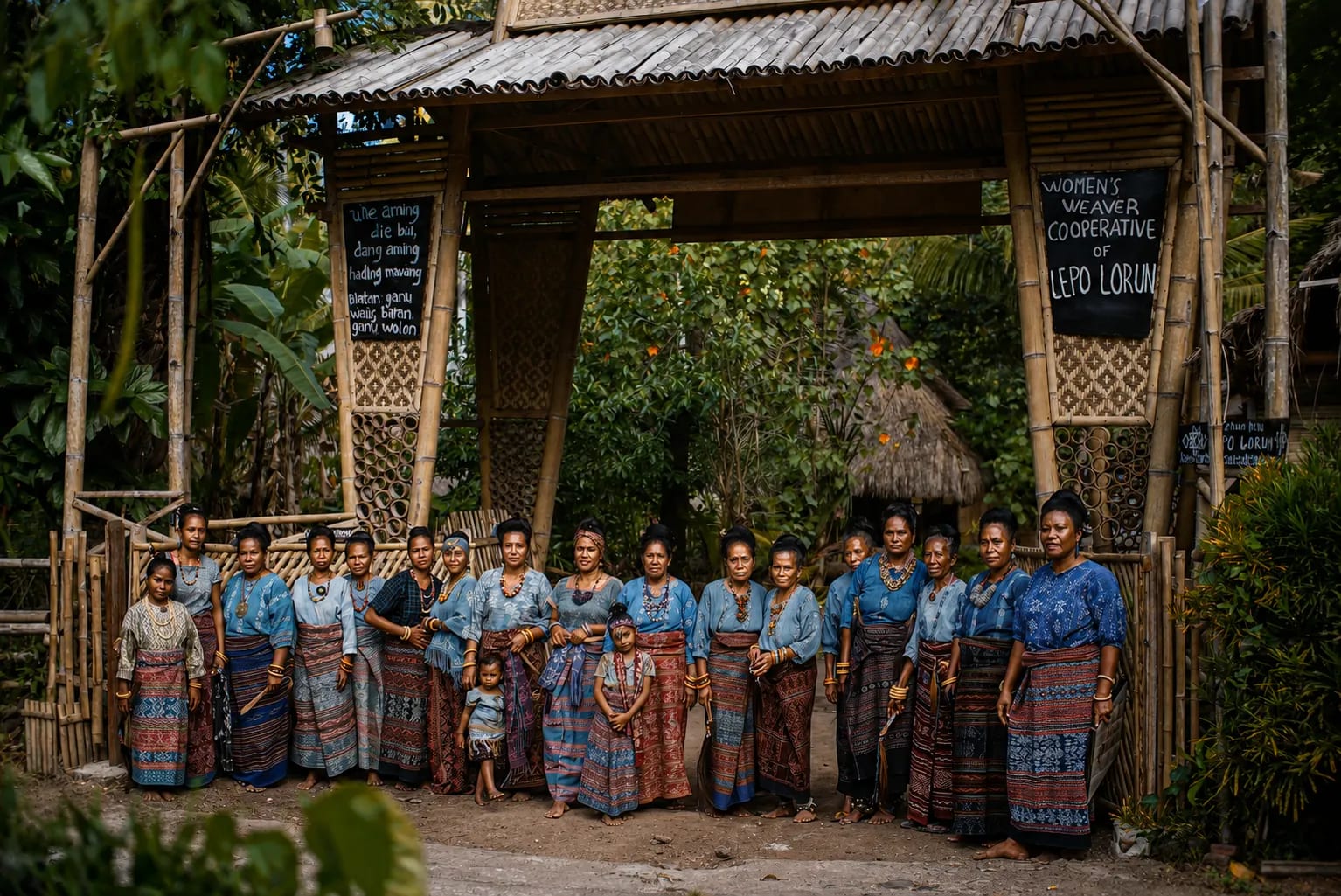
Determined to preserve what was being lost, she returned home and founded Lepo Lorun—meaning 'House of Weaving' in the Sikka language. What began as a modest gathering place for a handful of village women soon grew into a living cultural movement dedicated to safeguarding the heritage of Flores through weaving, education, and community empowerment.
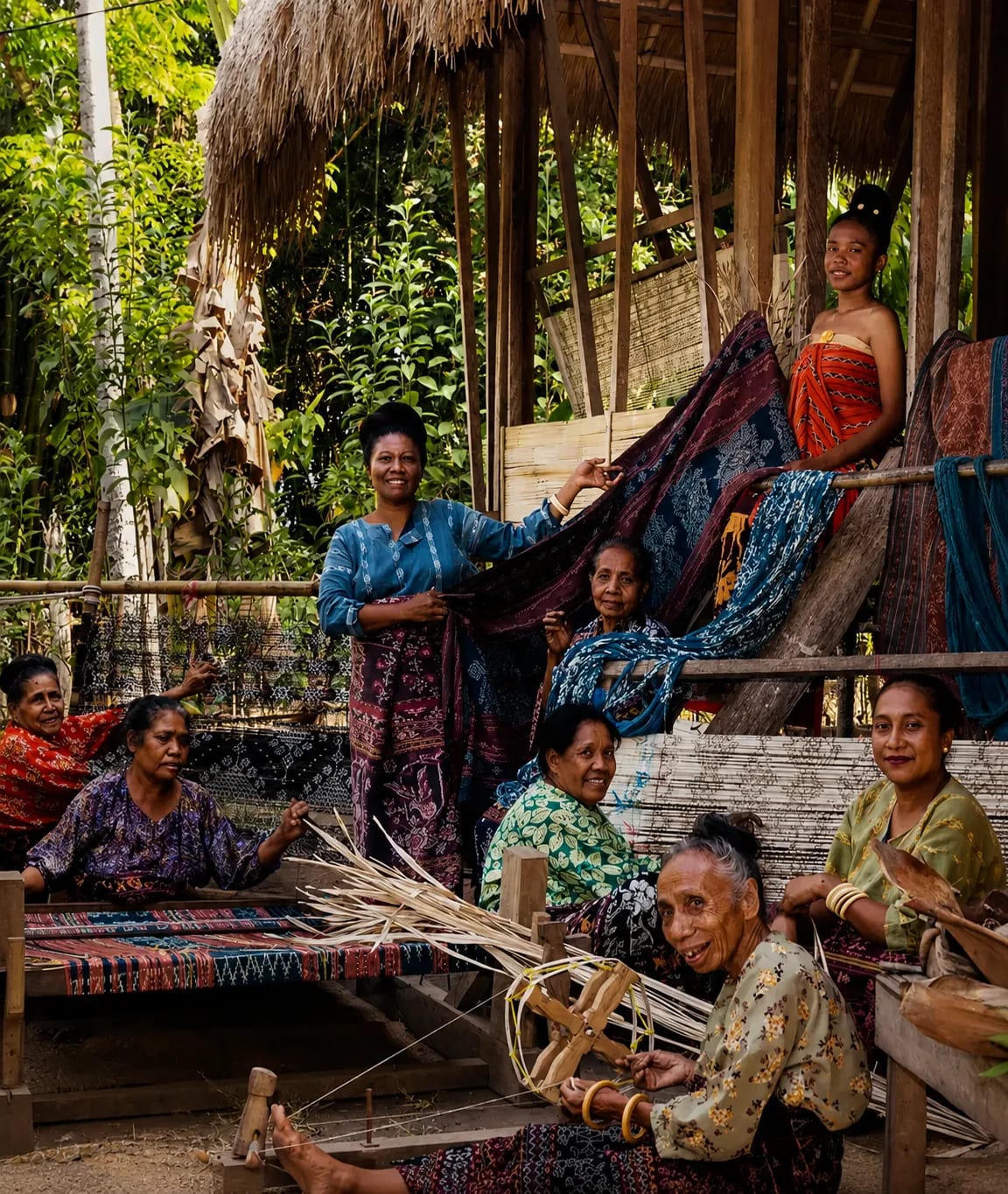
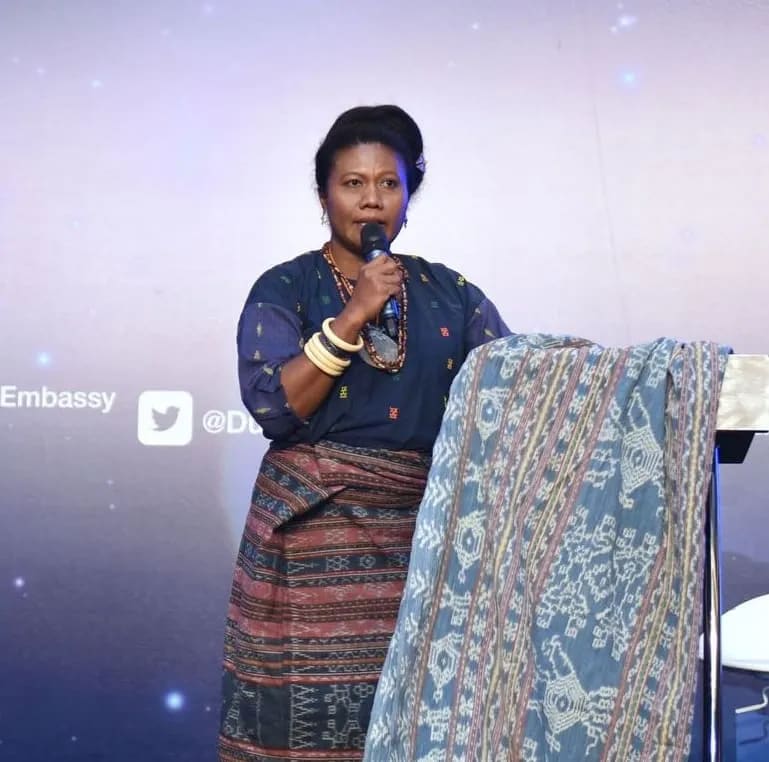
Today, Lepo Lorun has become a symbol of cultural resilience. Through Alfonsa’s leadership, hundreds of women across Flores continue to practice traditional weaving techniques, natural dyeing methods, and ancestral knowledge that might otherwise have vanished. For her, weaving is not simply about producing cloth; it is about protecting identity, honoring nature, and ensuring that the wisdom of the ancestors remains alive for future generations.
Although her work has brought her to international exhibitions, cultural forums, and collaborations around the world, Alfonsa has always chosen to keep the heart of Lepo Lorun in Nita. She believes that culture must remain rooted in the communities that created it. From this small village in Flores, she has shown that local heritage can speak to the world without losing its soul.